How Player Data Analytics Shape Withdrawal Approval Times at UK-Licensed Sites
Zara Carter · Aug 19, 2026
How Player Data Analytics Shape Withdrawal Approval Times at UK-Licensed Sites
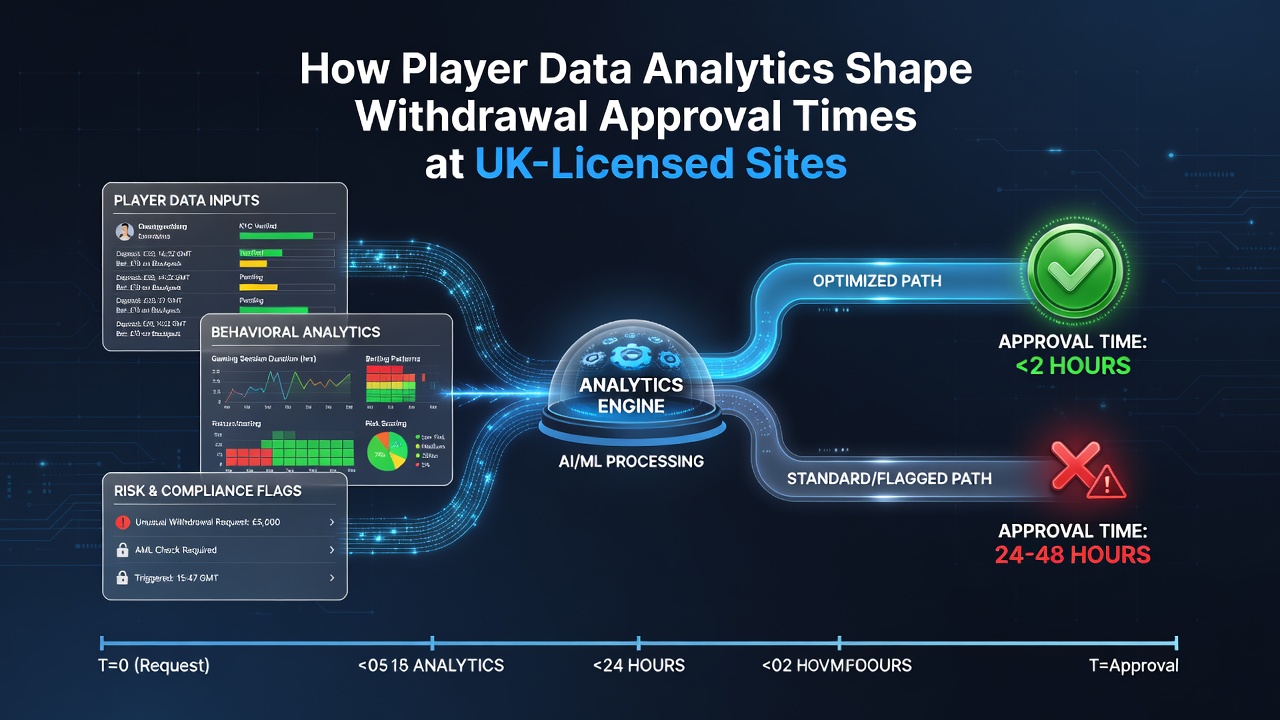
Player data analytics have transformed withdrawal processes at UK-licensed sites where algorithms evaluate transaction histories, account activity patterns, and behavioral indicators to determine approval speeds, and operators apply these models to balance security requirements with customer experience goals. Systems process thousands of data points per request, including deposit frequency, game preferences, and session durations, which allows platforms to categorize users into risk tiers that directly influence whether a withdrawal clears instantly or enters manual review.
Data Collection and Risk Profiling Mechanisms
Operators gather information from multiple sources such as login timestamps, payment method changes, and interaction logs, then feed this into machine learning models that assign risk scores based on historical patterns observed across similar accounts. Research from the European Gaming and Betting Association indicates that these scoring systems reduce average processing times for low-risk profiles by up to 70 percent while flagging higher-risk cases for additional verification, and the approach relies on continuous updates as new data arrives during each player session.
Those who study online gambling operations note that variables like sudden increases in withdrawal amounts compared to prior activity or unusual geographic access points often trigger extended checks, whereas consistent play patterns and verified identities lead to automated approvals within minutes. The models also incorporate external factors such as device fingerprints and IP consistency to refine accuracy, which helps distinguish routine transactions from potential anomalies without requiring human intervention in every instance.
Approval Time Variations Across Player Segments
High-volume players with established histories typically experience faster clearances because analytics engines recognize their patterns as stable and low-risk, and data from industry reports shows median approval windows shrinking to under 30 minutes for this group during peak periods. In contrast, new accounts or those with irregular activity may face delays ranging from several hours to a full business day as additional documentation requests go out automatically based on the system's assessment.
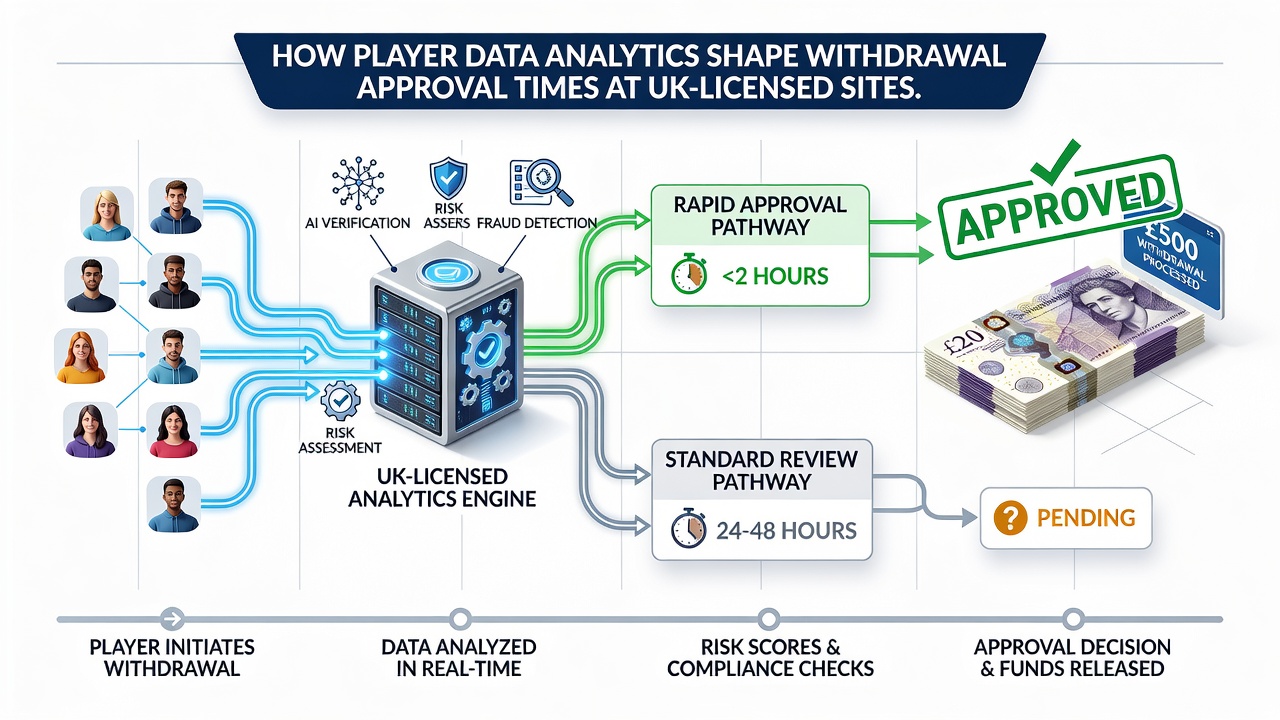
Observers tracking platform performance in August 2026 report that integration of real-time behavioral analytics has further compressed timelines for verified users, with some operators achieving near-instant approvals for over 85 percent of requests that match established profiles. These improvements stem from refined algorithms that cross-reference withdrawal requests against deposit sources and play volume, which allows platforms to bypass lengthy reviews when signals align with expected norms.
Regulatory and Industry Influences on Analytics Use
Frameworks from bodies such as the Malta Gaming Authority emphasize responsible data handling in withdrawal systems, requiring operators to maintain transparent criteria for automated decisions while still meeting anti-money laundering standards that affect processing speeds. A study published in the Journal of Gambling Studies highlights how analytics adoption across European markets correlates with reduced manual review rates, yet the same research notes persistent variations tied to individual operator thresholds and data quality levels.
Industry organizations including the Canadian Gaming Association have documented similar trends where predictive models shorten approval cycles for compliant players, and these findings suggest UK-licensed sites benefit from comparable efficiencies when they align analytics protocols with broader compliance expectations. Platforms adjust their risk parameters periodically based on emerging fraud patterns, which keeps approval times dynamic rather than fixed across all user groups.
Conclusion
Analytics continue to drive efficiency in withdrawal approvals at UK-licensed sites by enabling targeted reviews that prioritize security without uniform delays, and the integration of advanced data techniques supports both regulatory compliance and operational scale. As models evolve through ongoing data inputs, processing timelines reflect increasingly precise categorizations that distinguish routine activity from outliers requiring attention.