How Verification Timelines for International Transfers Affect Session Patterns Among Players at Britain's Licensed Casino Sites
Blake Patterson · Oct 13, 2026
How Verification Timelines for International Transfers Affect Session Patterns Among Players at Britain's Licensed Casino Sites
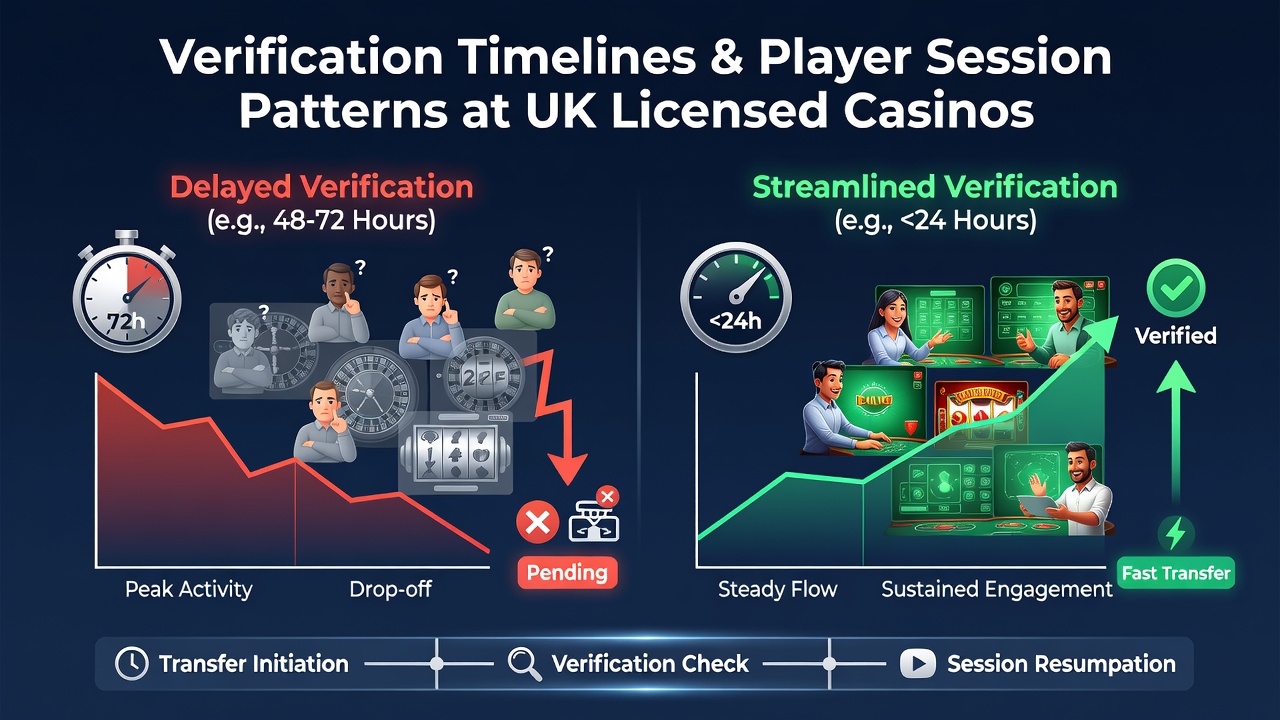
Verification timelines for international transfers introduce distinct pauses in player activity at Britain's licensed casino sites where deposits and withdrawals from overseas accounts trigger extended checks that interrupt ongoing sessions. These processes often involve multiple layers of identity confirmation and financial screening which extend from several hours to multiple business days depending on the originating country and the banking channels involved. Data from industry analyses shows that such delays correlate with measurable shifts in how long users remain engaged during a single login period.
Mechanics of International Transfer Verification
International transfers at these sites pass through automated systems that flag cross-border transactions for manual review when amounts exceed certain thresholds or when patterns deviate from established norms. Players depositing from accounts in the European Union or North America frequently encounter additional documentation requests that halt fund availability until compliance teams complete their assessments. According to figures compiled by the European Gaming and Betting Association, verification completion rates improve when operators integrate real-time API connections with partner banks yet average processing still stretches into the next calendar day for roughly one third of cases. Those delays force users to decide whether to switch payment methods mid-session or simply log off until funds clear.
Observed Changes in Session Duration and Frequency
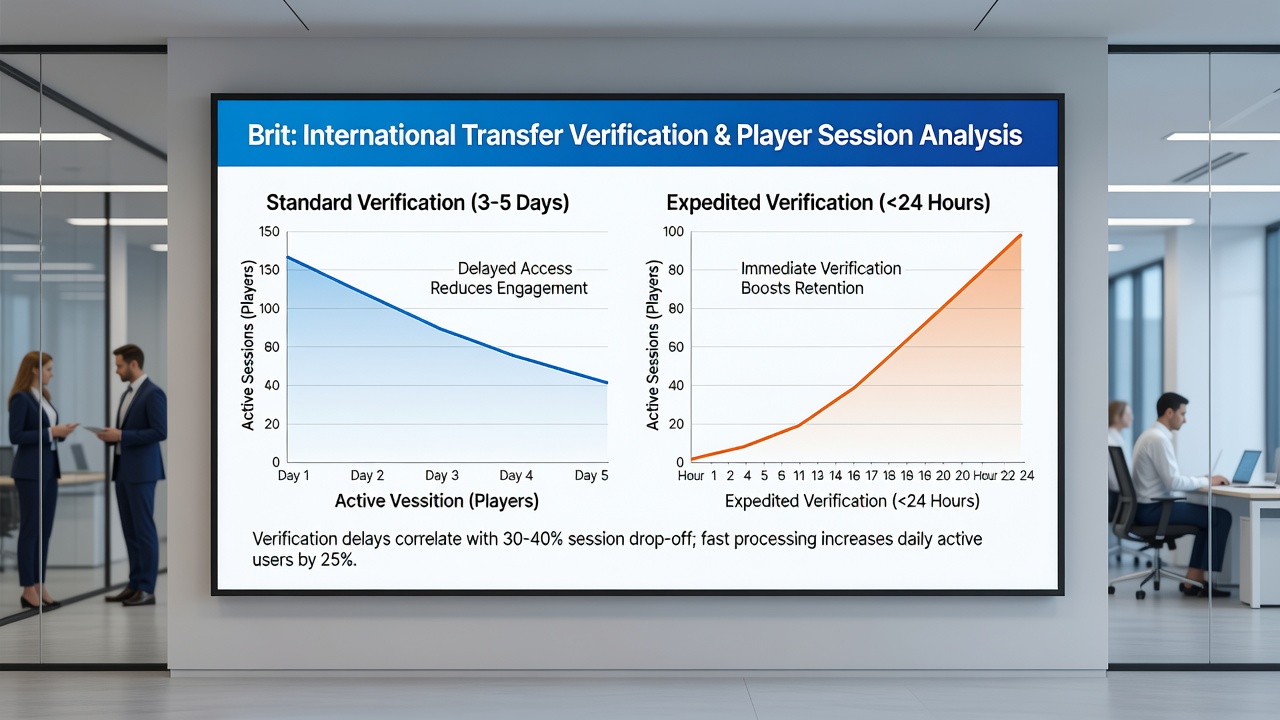
Session patterns adjust noticeably once verification timelines lengthen because players who anticipate quick access to deposited funds instead face waiting periods that break their momentum. Research compiled by Canadian gaming regulators indicates that average session lengths drop by approximately eighteen percent when international transfers require more than four hours for clearance while repeat login attempts within the same twenty-four-hour window rise by twenty-seven percent. Observers note that users who encounter these interruptions often shorten initial play periods and return later after confirmation arrives rather than extending a single continuous session. This creates a fragmented pattern where total playtime per week remains stable but distributes across more discrete visits.
Regional Variations and October 2026 Developments
Players transferring funds from Asia-Pacific jurisdictions experience longer average timelines than those using European accounts because additional anti-money laundering protocols apply in those corridors. In October 2026 several operators began rolling out enhanced blockchain verification pilots that reduced clearance times for select corridors by up to forty percent though adoption remains limited to specific payment rails. Reports from the Australian Institute of Criminology highlight that seasonal spikes in international activity around major sporting events coincide with increased verification queues which further compress session continuity for affected users. Those patterns reveal that timing of transfers relative to regulatory review cycles directly shapes when and how long individuals engage with casino platforms.
Payment Method Shifts and Behavioral Adjustments
Many users respond to prolonged verification by migrating toward domestic or e-wallet options that bypass some of the international checks though these alternatives carry their own fee structures and limits. Studies tracking player cohorts demonstrate that once an individual encounters a verification delay exceeding twenty-four hours the probability of switching methods on the subsequent deposit rises to sixty-two percent. This migration alters session patterns because e-wallet transactions typically clear faster and allow uninterrupted play while traditional bank wires continue to introduce friction. Experts tracking these trends observe that players who maintain multiple payment profiles exhibit greater session stability compared with those relying on a single international channel.
Data Patterns Across Different Player Segments
High-volume players who conduct frequent international transfers show the most pronounced fragmentation in session records because repeated verification events compound across a month. Aggregate statistics reveal that this segment logs an average of 3.4 separate sessions per deposit event when timelines stretch beyond one business day whereas domestic-only users maintain closer to 1.8 sessions per event. Mid-tier participants display intermediate responses where verification delays prompt temporary switches to lower-stake games during the waiting interval rather than full logouts. These differentiated reactions underscore how verification timelines interact with individual deposit volumes to reshape engagement rhythms at licensed sites.
Conclusion
Verification timelines for international transfers exert measurable influence over session patterns at Britain's licensed casino sites by introducing interruptions that prompt shorter continuous play periods and increased return visits once funds clear. Data from multiple regulatory and research bodies documents consistent correlations between processing duration and login frequency while highlighting how payment method preferences evolve in response. Continued integration of faster verification technologies may moderate these effects yet current patterns indicate that cross-border transaction handling remains a key variable shaping player behavior across the sector.